Slime Horror: The Ultimate Creepy Display Font for Makers
There’s a certain thrill in designing something that grabs attention the moment someone sees it—and nothing does that quite like a font that leans into the dark, the eerie, the delightfully unsettling. Slime Horror is exactly that kind of typeface. It’s sharp, it’s scary, and it brings a dripping, jagged personality that turns ordinary words into a full-blown horror show. As a small shop owner who spends hours picking the right fonts for stickers, labels, and printable art, I can tell you this one isn’t just another decorative option. It’s a statement-maker that helps your handmade products cut through the noise and land straight in your customer’s memory.
What Makes Slime Horror Stand Out for Handmade Projects
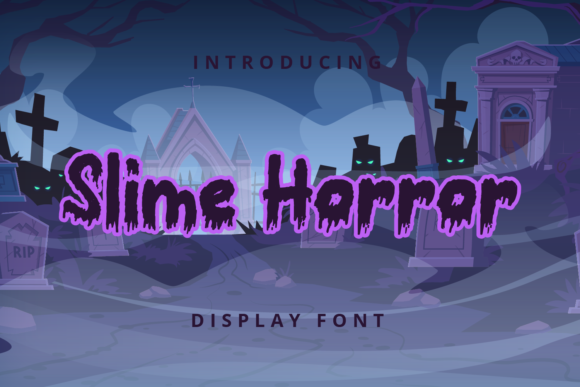
Slime Horror doesn’t try to be cute or polite. It’s a bold display font with broken, knife-like edges and a slimy, melting texture that feels like it crawled out of a haunted house. The letterforms are intentionally distorted, giving off a sense of movement and danger. That visual personality is a goldmine for makers who want to create a mood—whether it’s spooky, edgy, or just radically different from the sea of soft script fonts that dominate craft shows. When you use this font on a product, you’re not just adding text; you’re building an atmosphere. It’s the kind of typeface that makes a candle label look like a potion bottle, a sticker feel like a movie prop, and a greeting card feel like a relic from a ghost story.
Because it’s so unique, Slime Horror works best when you embrace its creepiness fully. It’s not for minimalist branding or baby shower invites—and that’s exactly the point. It’s for the maker who thrives during Halloween season, the Etsy seller specializing in alternative stationery, the crafter who designs for horror fans, gamers, and anyone who loves a good shiver. Think of it as your secret weapon for injecting instant character into a product line.
From Stickers to Product Labels: Where Slime Horror Shines
The beauty of a display font like Slime Horror is its versatility across physical goods. I’ve used it on glossy vinyl stickers that read “Enter if You Dare” and watched them fly off the shelf during October craft markets. But it’s not limited to Halloween. The font’s grungy, distressed vibe also works for:
- Gothic wedding invitations – Pair it with a delicate script for a haunted elegance that feels straight out of a Tim Burton film.
- Candle labels – Transform a simple soy candle into a “Witch’s Brew” or “Haunted Forest” scent, instantly boosting perceived value.
- T-shirt and tote bag designs – Use it for band merch, horror movie quotes, or edgy boutique branding.
- Wall art and signs – Create printable “Beware” signs, spooky porch decor, or framed art for a dark academia room.
- Party supplies – Design favor tags, cupcake toppers, and banner letters for a monster-themed birthday or a teen’s scream-worthy sleepover.
- Digital downloads – Sell SVG cut files for Cricut and Silhouette users, eye-catching planner inserts, or social media templates that need a dose of attitude.
Even everyday items like product tags and thank-you cards get a memorable twist. Imagine a small shop that sells handmade soap—Slime Horror could turn a simple “Thank You” into a creepy-cool token that customers share on Instagram. The font doesn’t just decorate; it tells a story.
How Slime Horror Transforms Product Presentation
Fonts are one of the most underrated tools in a maker’s kit. The right typeface can elevate a basic craft into something that feels premium, intentional, and brand-worthy. Slime Horror does this by adding a layer of emotional appeal. A label printed in a generic serif font says “homemade”—but a label set in this jagged, dripping typeface says “curated experience.” It taps into the thrill of the unknown, which is a powerful draw for customers who crave something beyond the ordinary.
Consistency is key here. If you use Slime Horror across your product line—on your logo, packaging, and social media graphics—you build instant recognition. Customers start to associate that creepy, sharp lettering with your brand. It becomes part of your identity. I’ve found that even a subtle touch, like using the font for the main title on a digital printable and a clean sans serif for the details, creates a signature look that feels cohesive and professional. That kind of design intentionality is what turns a casual buyer into a repeat customer.
Readability and Practical Use for Cutting Machines and Small Surfaces
Let’s talk real-world usability. Slime Horror is a display font, which means it’s designed for impact, not for paragraphs. It thrives on short phrases, names, titles, and decorative wording. Use it for the hero text on a product, and keep the supporting information in a simpler typeface. That’s not a limitation—it’s a design principle that makes your projects look polished.
When working with cutting machines like Cricut or Silhouette, this font’s sharp edges and slimy drips can be a little fiddly, but the results are worth it. Here are a few practical tips I’ve learned:
- Test cut at different sizes. Tiny details may get lost, so scale up for key words. For a 3-inch mug design, Slime Horror will look crisp and dramatic; for a 0.5-inch sticker, you might lose some of the creepy texture.
- Weed carefully. The intricate cuts around the letterforms can be tricky. Use a sharp weeding tool and take your time, especially with the drippy elements.
- Check file formats. Most crafters need OTF or TTF files. Ensure the font you download includes these so it works seamlessly in design software and with your cutting machine.
- Consider print size. On printed cards, labels, or mockups, Slime Horror remains highly legible as long as it’s not reduced below about 18pt. For product packaging tags, that’s perfect—you want it to be seen.
For mockup previews, this font is a dream. It instantly adds a professional, themed look to your product photos, making customers feel like they’re buying something special before they even click.
Font Pairing Ideas to Make Slime Horror Pop
A display font this distinctive needs a thoughtful partner. You don’t want to overwhelm the eye with too many competing styles. My go-to approach is to pair Slime Horror with a clean, understated typeface that lets the horror vibe shine without sacrificing readability.
For wedding stationery or gothic invitations, a light, elegant script font can create a beautiful contrast—imagine the couple’s names in a flowing handwritten style, while the date or “Welcome” sits in Slime Horror. The tension between delicate and dangerous is magnetic. For product labels, a simple sans serif font (like a neutral geometric or even a standard like Helvetica) works wonders. It keeps the ingredient list or scent description legible while the font handles the drama.
If you’re designing a Halloween sign, you might use a bold serif font for the subtext to add a vintage horror feel. The key is to let Slime Horror be the star. Don’t drown it. A well-chosen secondary font ensures your design is both striking and functional—something every small shop owner appreciates when customers are reading tiny details on a candle jar or a sticker decal.
Checking the Font Files for Your Craft Business
Before you dive into your next project, take a moment to explore everything Slime Horror offers. Look for:
- Alternates and ligatures: Some creepy fonts come with extra glyphs—like different letter shapes or connected characters—that let you customize the look. A few drippier alternates can make the font feel even more unique.
- Multilingual support: If you sell to an international audience, check that the font includes accented characters and special punctuation. This lets you create products in multiple languages without hunting for another typeface.
- File formats: OTF and TTF are standard, but some bundles also include web fonts if you plan to use the design on your online shop or social media.
Even if the product description doesn’t list every extra, it’s worth installing the font and scrolling through the character map. You might discover hidden treasures that spark new product ideas—like a quirky ampersand or a particularly scary question mark.
Commercial Licensing for Selling Your Creations
As a maker, you know that font licensing isn’t just a formality—it’s what protects your business. When you purchase Slime Horror, confirm that the license covers commercial use, especially for physical products, digital downloads, and templates. Most crafters need a license that allows selling items like stickers, apparel, printables, and even SVG files that incorporate the font. Some licenses also cover print-on-demand services, which is essential if you’re selling on platforms like Etsy or your own website.
Read the terms carefully. A standard commercial license often lets you create unlimited physical products but may restrict the font’s use in editable templates or digital alphabets. If you’re designing for clients or selling merch, make sure you’re covered. Using a properly licensed font like Slime Horror not only keeps you legally safe but also adds a layer of professionalism to your brand. You’re not just a hobbyist—you’re a business owner who respects the art of typography.
Slime Horror isn’t for every project, and that’s exactly why it’s so powerful. It’s for the maker who wants to leave a mark, who understands that the right font can turn a simple handmade item into a conversation starter. Whether you’re crafting spooky season stickers, designing a line of haunted candle labels, or building a brand identity that’s unapologetically bold, this creepy display font has the sharp edge you need. Grab it, test it on your next project, and watch how a few well-chosen letters can transform your entire product line.